A roof protects a home from rain, wind and changing weather conditions, but roofing materials gradually deteriorate over time. When repairs become frequent or the existing roof can no longer provide reliable protection, installing a new roof may be the most suitable option. Careful planning helps homeowners choose appropriate materials, address underlying problems and ensure the new roof performs as intended.
For property owners in Upper Stoke, Lincolnshire, understanding the main considerations before a roof replacement can make the process more straightforward. From assessing the existing structure to selecting suitable materials, each decision contributes to the quality and durability of the finished roof.
When Is It Time to Consider a New Roof?
Not every roofing problem requires a complete replacement. Isolated defects, such as a few slipped tiles or damaged flashing, may be resolved through targeted roof repairs. However, widespread deterioration can indicate that a new roof deserves consideration.
Common warning signs include:
- Repeated leaks that continue despite previous repairs.
- Numerous cracked, missing or deteriorating roof tiles.
- Widespread damage to the roofing felt or other protective layers.
- Sagging sections or visible changes in the roofline.
- Roofing materials that have reached the end of their useful life.
The roof’s age can provide useful context, but its condition also depends on installation quality, maintenance, materials and exposure to the weather.
A professional inspection can help establish whether repairs are still appropriate or whether replacing the roof would provide a more dependable long-term solution.
Choosing Suitable Roofing Materials
The right roofing material should complement the property while meeting the practical requirements of the roof. Different materials have varying characteristics, maintenance needs and installation requirements.
Roof Tiles
Clay and concrete tiles are commonly used on pitched roofs. They are available in different profiles and finishes and can provide a durable covering when correctly installed.
Before selecting tiles, it is important to consider their weight, compatibility with the existing roof structure and the condition of the supporting components.
Slate Roofing
Slate offers a distinctive natural appearance and can provide long-lasting performance when suitable materials are installed correctly. The roof structure must be capable of supporting the selected covering, and careful installation is essential to achieve an effective weatherproof finish.
Flat Roofing Systems
Flat and low-pitched roofs require materials suited to their design and drainage arrangements. Options may include roofing felt and modern membrane systems, depending on the structure and intended use.
A roofing professional can assess the roof and explain which materials are suitable for the property’s requirements.
Inspecting the Roof Structure Before Installation
A new roof involves more than replacing the visible covering. Once the old materials have been removed, the underlying structure should be checked for deterioration.
Roof timbers, battens and decking may have been affected by prolonged moisture, decay or previous leaks. Any damaged components should be addressed before the new covering is installed.
The condition of the underlay and other supporting materials also matters. Installing new tiles over weakened or unsuitable components may leave existing problems unresolved.
Thorough preparation helps create a sound foundation for the new roof and reduces the likelihood of defects developing beneath the finished surface.
Considering Roof Ventilation and Insulation
Roof replacement provides an opportunity to review the ventilation and insulation arrangements within the roof space. Inadequate ventilation can contribute to condensation, while insufficient insulation may affect indoor comfort.
The appropriate solution depends on the building’s design and existing construction. Ventilation paths should remain effective where required, and insulation must be installed without unintentionally obstructing airflow.
Discussing these factors before work begins helps ensure that the roofing system is considered as a whole rather than focusing solely on the external covering.
Planning for Weather Protection and Drainage
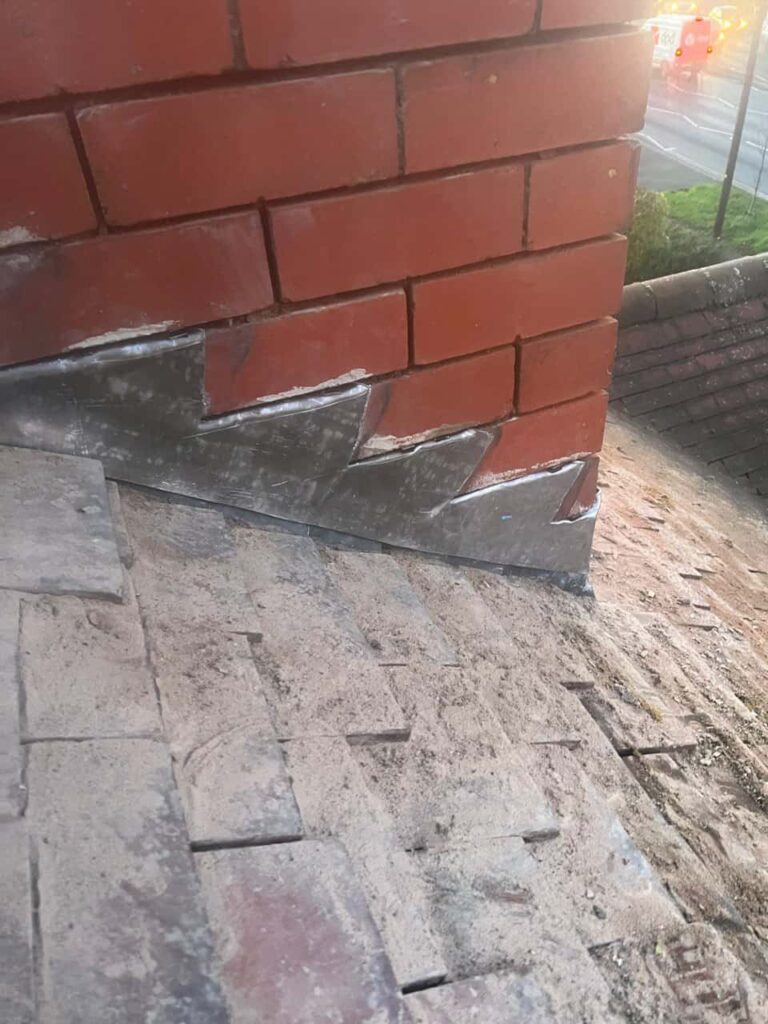
A new roof needs to manage rainwater effectively and protect vulnerable areas from water ingress. Roof valleys, ridges, flashing, chimneys and junctions with adjoining walls require particular attention because defects in these locations can lead to leaks.
Gutters and downpipes should also be considered as part of the roof’s drainage system. If drainage problems are left unresolved, water may continue to collect or overflow even after the roof covering has been replaced.
For homeowners in Upper Stoke, Lincolnshire, selecting suitable materials and ensuring careful installation can help the roof cope with local weather conditions.
What to Expect During a Roof Replacement
Before work starts, homeowners should understand the proposed work, the materials being installed and the expected sequence of the project. It is useful to discuss access arrangements, protection for the surrounding property and how the site will be kept tidy.
Weather conditions may affect the timing of roofing work, so the installation schedule may need to adapt when conditions are unsuitable. Clear communication with the roofing contractor helps homeowners understand what to expect at each stage.
Choosing an experienced roofing service also helps ensure that the old covering is removed carefully, the supporting structure is assessed and the new materials are fitted correctly.
Why Professional Roof Installation Matters
Even high-quality roofing materials can underperform if they are installed incorrectly. Poorly fitted tiles, defective flashing or inadequately sealed junctions can create weak points where water may enter.
Upper Stoke Roofing Repairs can assess the condition of an existing roof in Upper Stoke, Lincolnshire, and discuss suitable options when a replacement is being considered. A professional assessment helps identify underlying defects and determine the most appropriate approach for the property.
Conclusion
Installing a new roof requires careful consideration of the existing structure, roofing materials, ventilation, drainage and installation quality. Recognising the signs of widespread deterioration and obtaining a professional assessment can help homeowners decide whether a full replacement is necessary.
For property owners in Upper Stoke, Lincolnshire, a well-planned roof replacement can help restore reliable weather protection and support the long-term condition of the home.
If your roof is showing signs of significant wear or recurring damage, contact Upper Stoke Roofing Repairs to discuss your requirements and arrange a professional assessment.
Call us on: 01782 493 998
Click here to find out more about Upper Stoke Roofing Repairs
Click here to complete our contact form and see how we can help with your roofing needs.